Discover Mignola: A Versatile Handwritten Font for Creative Projects
As a graphic designer, I recently embarked on a project to create a visual identity for a charming local café. The first step was to find the perfect typeface that would capture the café's cozy, inviting, and unique atmosphere. After some exploration, I stumbled upon Mignola, a handwritten font that instantly caught my eye with its stylish and versatile look.
The First Impressions of Mignola
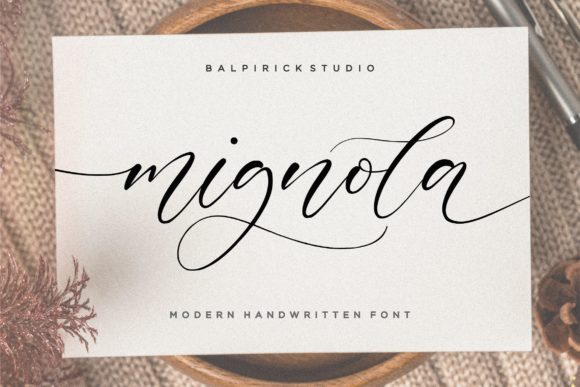
Opening up a blank brand board, I began by testing Mignola on a logo draft. The font’s flowing, organic lines and slightly irregular strokes gave it a personal, handcrafted feel that perfectly matched the café’s artisanal and welcoming vibe. The overall mood was both casual and elegant, making it an ideal choice for a café that prides itself on high-quality, homemade treats.
Logo Design and Brand Identity
One of the key aspects of any branding project is the logo, and Mignola shone in this role. Its unique character and legibility at various sizes made it a strong contender for the café’s primary logo. I experimented with different layouts, and the font’s versatility allowed me to create a logo that felt both modern and timeless. The café’s name, written in Mignola, stood out beautifully, creating a memorable and distinctive mark.
Packaging and Product Labels
Next, I moved on to packaging design. Using Mignola for product labels and packaging mockups, I found that the font added a touch of elegance and charm. Whether it was for coffee bags, pastry boxes, or menu cards, Mignola provided a consistent and professional look. The font’s readability at smaller sizes was impressive, ensuring that all the necessary information was clear and easy to read.
Social Media Graphics and Web Design
In today’s digital age, social media and web presence are crucial. I used Mignola for Instagram posts, Facebook banners, and even the café’s website. The font’s stylish and approachable nature made it perfect for engaging with the café’s audience online. For the website, I incorporated Mignola into the header and key sections, creating a cohesive and visually appealing experience. The font’s ability to stand out while maintaining readability was a significant plus.
Printed Marketing Materials
For printed materials like flyers, posters, and business cards, Mignola continued to impress. The font’s dynamic and lively appearance made the café’s promotional materials stand out. I designed a series of flyers and posters for upcoming events, and the use of Mignola added a creative and inviting touch. The business cards, featuring the café’s name and contact details in Mignola, were both professional and memorable.
Practical Advice for Using Mignola
Before fully integrating Mignola into the café’s brand system, I recommend testing it in various contexts. This includes checking how it looks on different backgrounds, in different sizes, and when paired with other fonts. For instance, Mignola works exceptionally well as a display font or headline font, but it can also be used as an accent or supporting typeface. Pairing Mignola with a clean sans serif font, such as Helvetica or Arial, can create a balanced and harmonious design.
Font Features and Licensing
Mignola comes with a range of features that enhance its versatility. It includes multiple styles, alternates, and ligatures, allowing for a wide array of design possibilities. Additionally, the font supports multilingual characters, making it suitable for international projects. When using Mignola for commercial projects, it’s important to check the licensing terms to ensure you have the appropriate permissions.
Conclusion
In conclusion, Mignola is a fantastic choice for designers looking to add a unique and stylish touch to their projects. Its handwritten, versatile, and elegant design makes it perfect for a wide range of applications, from logos and packaging to social media and printed materials. By carefully testing and integrating Mignola into your designs, you can create a cohesive and engaging brand identity that truly stands out.